HD Cohorts
- Project
Table of Contents
What are cohorts?
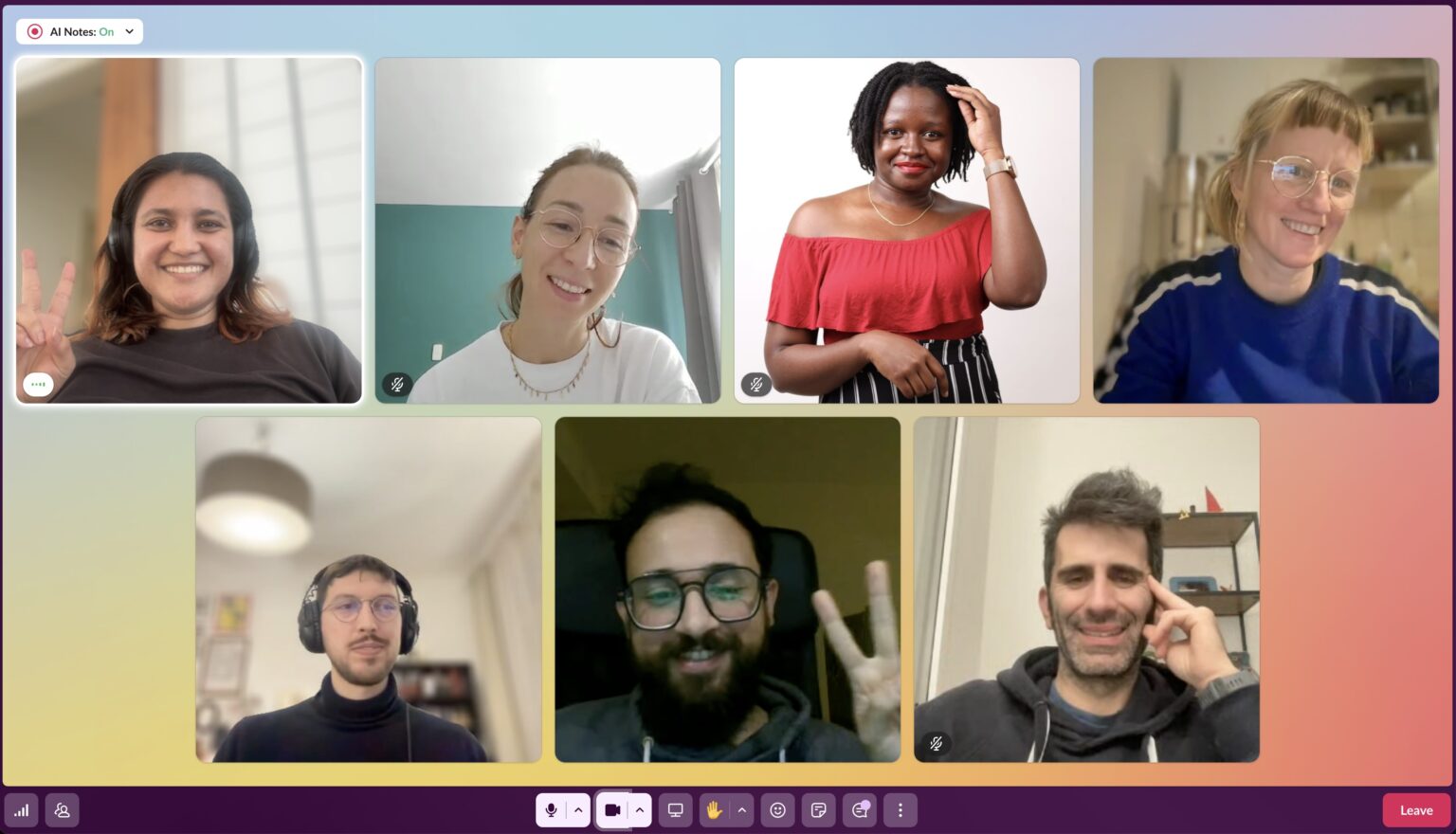
A cohort is a group of volunteers onboarded together for a specific period of time to strengthen the resources and activities of an organisation.
At Humanitarian Designers, we want to reach a new step in sustaining our activities and make it meaningful for our volunteers. By co-creating this first cohort, we want to enable a space for mutual exchange and create a group dynamic where everyone can learn from each other.
Cohort #1
This first cohort was held between September and December 2025. It was made of six volunteers.
Hossam Elbrrashi
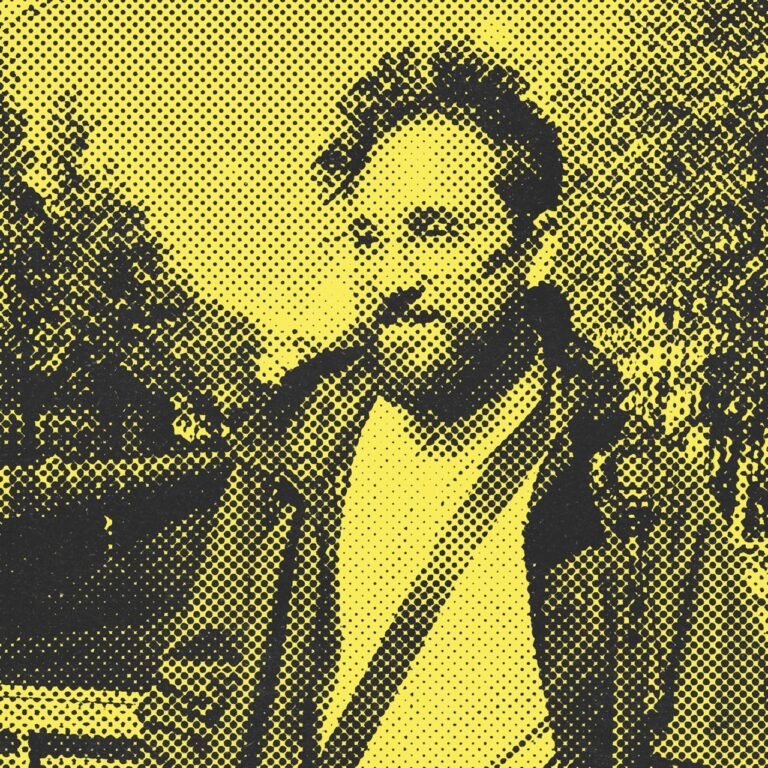
HD pole: Knowledge & Funding
Profession: Computational designer
Location: Sweden
Pronouns: He/him
What inspired you to join Humanitarian Designers?
I believe in “Raising the Vulnerability Threshold”, that means improving the global baseline of support and protection, so that even if someone is considered “vulnerable,” they are no longer exposed to extreme suffering, deprivation, or danger. Under this vision, the definition of “vulnerable” evolves, not because people don’t face challenges, but because the world has collectively lifted the floor of human dignity and well-being. And I believe this will not be achieved through conventional methods and systems, it requires strategic innovation across systemic divides and obstacles, and that’s why Humanitarian Designer’s mission of “building bridges between designers and aid workers.” resonated deeply with me.
What have you learnt during this Cohort?
Humanitarian Designers has helped me connect with amazing like-minded people who speak the language of humanity fluently, which gave me a safe and supporting space to explore, and co-develop for a better world.
What kind of humanitarian or design challenges are you most passionate about undertaking?
I am passionate about designing strategies and systems that help bridging the gap between the rising humanitarian needs and the decreasing funds allocated for humanitarian responses.
What would you hope for Humanitarian Designers?
I would love to see HD engaged more with humanitarian responses in collaboration with grassroots organisations.
If you could design anything for yourself, what would it be?
Affordable and safe solo flying mechanism
What’s one fun fact people might not know about you?
Just as most human-beings, I want to change the world to a peaceful, borderless and just world, but when I say this is my goal, I really believe I will!
What’s a quote or mantra you live by?
The Arabic term “Ihsan”, which means the excellence in doing good. To do all the good you can… By all the means you can… In all the ways you can… In all the places you can… At all the times you can… To all the people you can… For as long as you can…
Lynette Sange
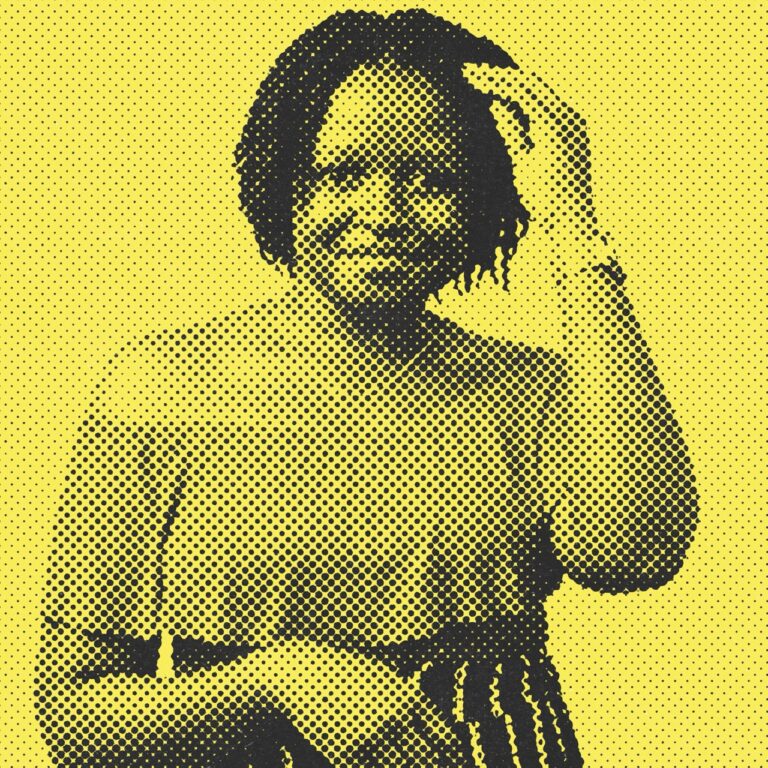
HD pole: Communication & Funding
Profession: Humanitarian interior designer
Location: Kenya
Pronouns: She/Her
What inspired you to join Humanitarian Designers?
What inspired me to join Humanitarian Designers was my desire to be part of a community of like-minded designers and practitioners, and to gain a deeper understanding of what humanitarian design truly entails. I was interested in learning about the types of projects Humanitarian Designers are working on, the approaches they use, and the impact they are creating. I was also eager to explore opportunities for hands-on experience, collaboration on projects with fellow humanitarian designers, and engagement in the ongoing discussions within the humanitarian design field, as well as the possibilities available for me to grow and contribute.
What have you learnt during this Cohort?
During this cohort, I have learnt the importance of teamwork and effective collaboration in achieving shared goals. I have also gained a strong appreciation for the power of brainstorming and collective idea-sharing. Most importantly, I have learnt about the sensitivity and responsibility required in the use of language within the humanitarian design field how carefully chosen terms shape narratives, how not to misrepresent humanitarian design, and the need to use respectful, dignified language when referring to recipients of services and underserved communities.
What kind of humanitarian or design challenges are you most passionate about undertaking?
I am particularly passionate about the rehabilitation, renovation, and transformation of interior spaces for underserved communities within informal settlements. My focus is especially on public and community-based spaces that play a vital role in serving and supporting vulnerable communities.
What would you hope for Humanitarian Designers?
I would hope for Humanitarian Designers to continue growing both in membership and impact. I envision a more engaged network where members actively collaborate on hands-on humanitarian projects and see those projects through to implementation. I would also hope HD establishes representatives in different countries to foster more physical meet-ups that foster meaningful collaboration and result in implemented projects across various regions courtesy of HD, allowing Humanitarian Designers to establish a stronger and more tangible global presence.
If you could design anything for yourself, what would it be?
A purely green walkable community where all services are a stone throw away from each other and everything works
What’s one fun fact people might not know about you?
I have audible conversations with myself in the open
What’s a quote or mantra you live by?
“When you do what you love, what the world needs, what you’re good at, and what you can be paid for-you have found your Ikigai [reason for being]”
What’s one thing that always makes you smile?
FOOD!
Stefano Lattanzio
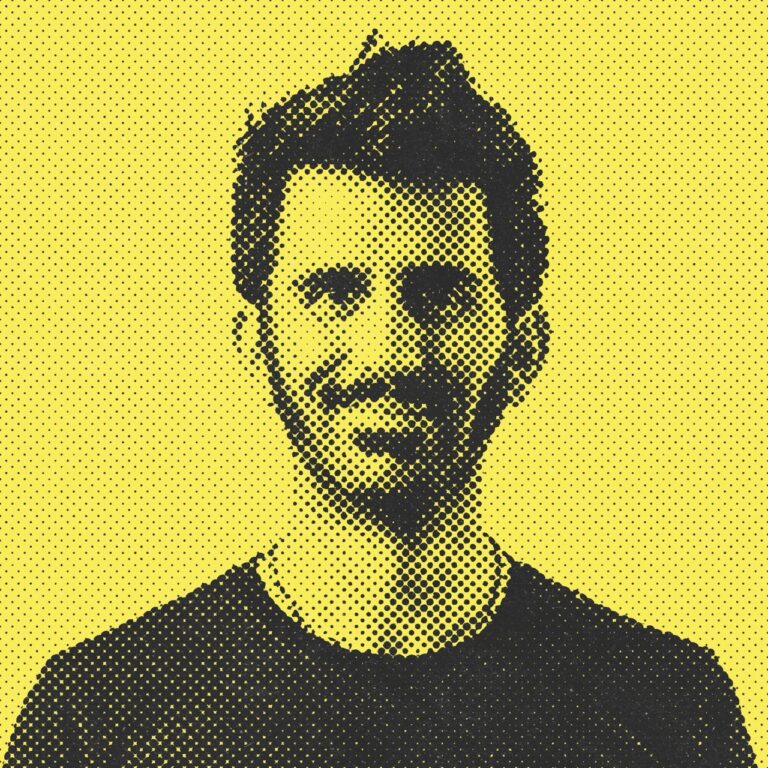
HD pole: Communication & Community
Profession: Designer
Location: Switzerland
Pronouns: He/Him
What inspired you to join Humanitarian Designers?
The opportunity to learn about the humanitarian sector.
What have you learnt during this Cohort?
To connect me with other members’ knowledge. To cooperate with multidisciplinary team. Still working on be more: – responsive – efficient and gain a good result in short time.
What kind of humanitarian or design challenges are you most passionate about undertaking?
I have always seen design as a powerful social tool, and I truly enjoyed the approach explored during the Soliway workshop. This experience made me eager to further explore the humanitarian sector and to actively contribute to outreach and workshop activities, even if I don’t yet have a clearly defined engagement proposal
What would you hope for Humanitarian Designers?
An organic, step-by-step growth, gradually building recognition in the humanitarian sector and encouraging deeper community engagement.
If you could design anything for yourself, what would it be?
What’s one fun fact people might not know about you?
I spend at least ten minutes a day going down Wikipedia rabbit holes. My favourite topics: sport, news, music.
What’s a quote or mantra you live by?
“Learn the rules like a pro, so you can break them like an artist” Pablo Picasso.
Medha Dhoundiyal
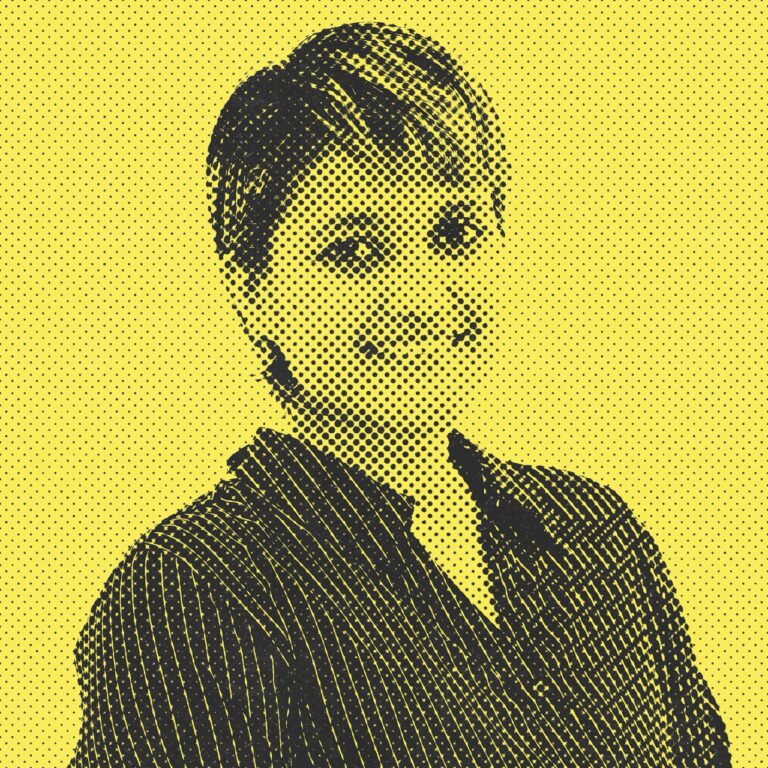
HD pole: Knowledge & Community
Profession: UX Researcher
Location: United States of America
Pronouns: She/Her
What inspired you to join Humanitarian Designers?
I was looking for spaces to contribute to through design when I found Humanitarian Designers who are doing great work to bridge the gap between the humanitarian and design fields.
What have you learnt during this Cohort?
This was my first experience working completely remotely with people from across the world. This experience reinforced in me the belief that humans everywhere feel the same emotions and can connect across cultural, geographical, and national boundaries to create social impact through diverse mediums.
What kind of humanitarian or design challenges are you most passionate about undertaking?
I’m eager to engage with a wide range of humanitarian and design challenges, but I find myself particularly drawn to initiatives focused on youth and education, where I hope to contribute to meaningful transformation.
What would you hope for Humanitarian Designers?
By addressing the space between humanitarian work and design, Humanitarian Designers has successfully drawn in people seeking to make impact at this intersection, which speaks to the strength of the work it is already doing. Going forward, I hope Humanitarian Designers continues to expand its educational and awareness initiatives through school programs, corporate workshops, or even collaborations with other disciplines such as theatre practitioners and artists to shed light on critical issues and inspire meaningful action.
If you could design anything for yourself, what would it be?
A flying carpet.
What’s one fun fact people might not know about you?
That I can eat ice cream even in the coldest weather.
What’s a quote or mantra you live by?
जब जागो तब सवेरा (jab jaago tab savera) which translates to “Morning starts whenever you wake up”. It’s a proverb my mum often uses which reflects a proactive, action-oriented mindset: the right time is whenever you experience self-realisation and choose to act.
What’s one thing that always makes you smile?
Being out in nature.
Sandra Chollet
HD pole: Communication & Community
Profession: Interior designer
Location: Portugal
Pronouns: She/Her
What inspired you to join Humanitarian Designers?
Be part of a community, sharing values, connecting design skills with humanitarian sector, meeting people in this field, open myself to new connexions and opportunities
What have you learnt during this Cohort?
Ways to engage a community, the importance of good communication
What kind of humanitarian or design challenges are you most passionate about undertaking?
Preserving ancestral craftmanship
What would you hope for Humanitarian Designers?
To expand and grow also outside of a full digital platform
What’s a quote or mantra you live by?
Have the courage to follow your heart and intuition. They somehow already know what you truly want to become. The rest is secondary.
What’s one thing that always makes you smile?
Music, dancing and a good coffee. I know, it’s 3 things
Roderick Besseling
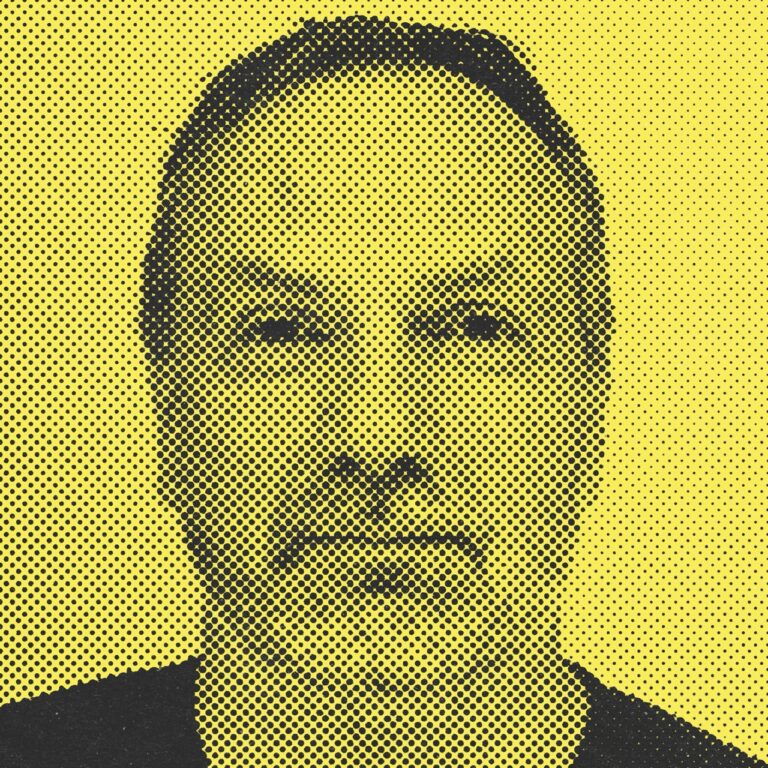
HD pole: Knowledge & Funding
Profession: Data and Information Management Adviser
Location: New Caledonia
Pronouns: He/Him
What inspired you to join Humanitarian Designers?
Helping bridge the gap between the humanitarian sector and designers.
What have you learnt during this Cohort?
There is a lot of positive energy and optimism in the humanitarian designer cohort. Something that is especially needed considering the current humanitarian existential crisis.
What kind of humanitarian or design challenges are you most passionate about undertaking?
Bringing design processes into project and product creation.
What would you hope for Humanitarian Designers?
For it to be a thriving community of designers that help co-create sustainable solutions to complex humanitarian problems.
If you could design anything for yourself, what would it be?
A toolkit to help humanitarian apply design principles to their work where appropriate.
What’s one fun fact people might not know about you?
I live in Noumea now.
What’s one thing that always makes you smile?
My daughter.
INTERESTED IN PARTNERING WITH US?