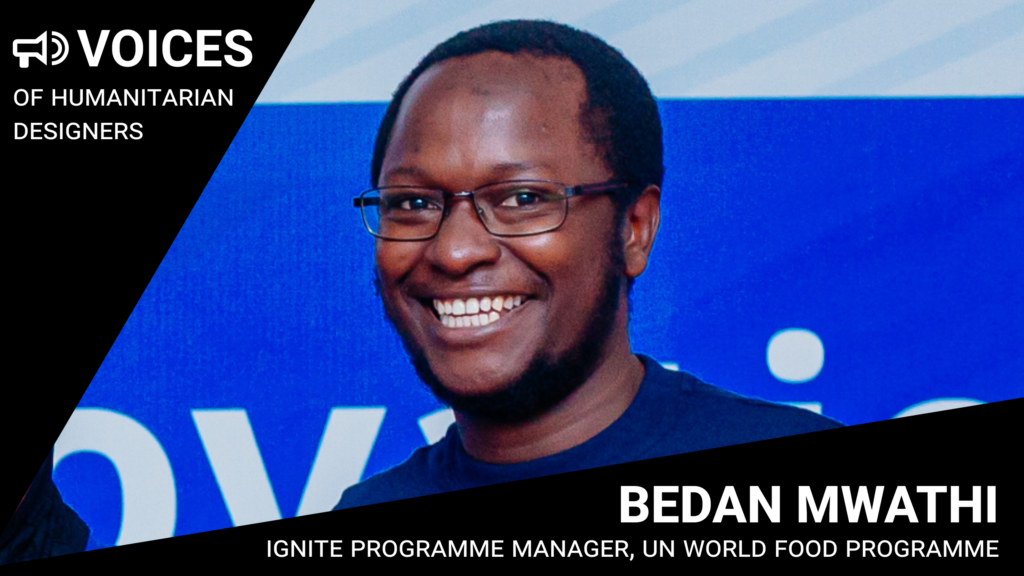
Voices of Humanitarian Designers: An Interview with Bedan Mwathi
- Interview
Introduction
What does it take to turn a local challenge into a solution that can create lasting impact?
For our fifth edition of Voices of Humanitarian Designers, we speak with Bedan Mwathi, IGNITE Programme Manager at the UN World Food Programme, Eastern and Southern Africa, whose work sits at the intersection of enterprise development, food systems, innovation, and humanitarian action.
Through the IGNITE Hub, Bedan brings together governments, humanitarian organizations, private sector, academia, and local enterprises to identify gaps across food systems and determine where collective action can make the greatest difference.
But for Bedan, the most important voice in that process isn’t necessarily the loudest one in the room.
“The person who’s most affected by decisions made is the person whose voice matters most.”
His reflections offer a powerful perspective on localization and human-centred design: the people experiencing a challenge often already have ideas and solutions of their own. The designer’s role is not to arrive with the answer, but to create the conditions for those solutions to be heard, strengthened, and supported.
He also reminds us not to become too attached to what we create:
“The sooner you drop something that’s not working, the earlier you start developing something that does.”
Because ultimately, the measure of a solution isn’t how much time was invested in creating it. It is whether people’s wellbeing actually improves.
Read the full interview and explore Bedan’s perspective on collaboration, localization, enterprise development, and designing for impact.
Tell us about a project that shows what humanitarian design looks like in practice.
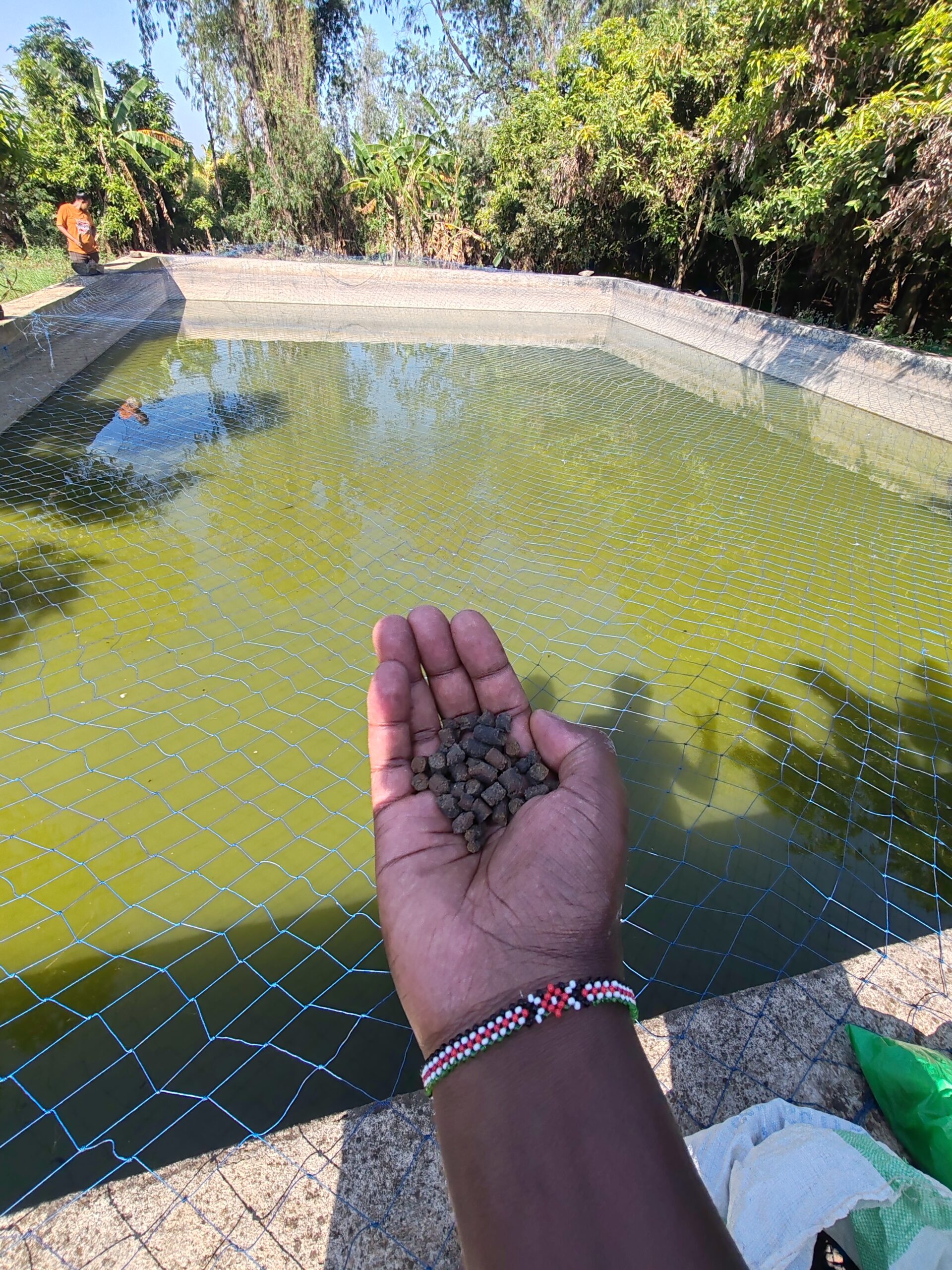
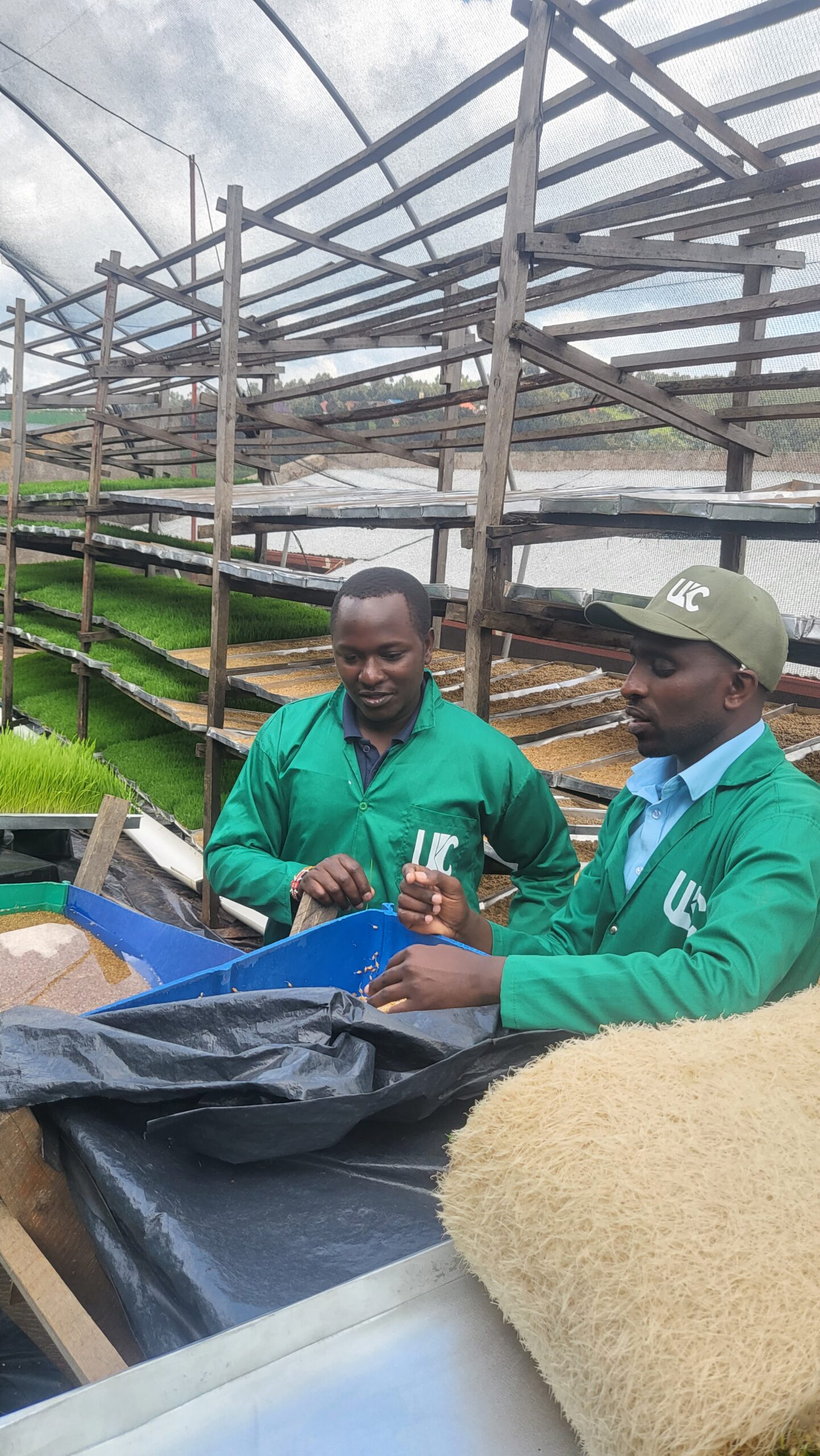
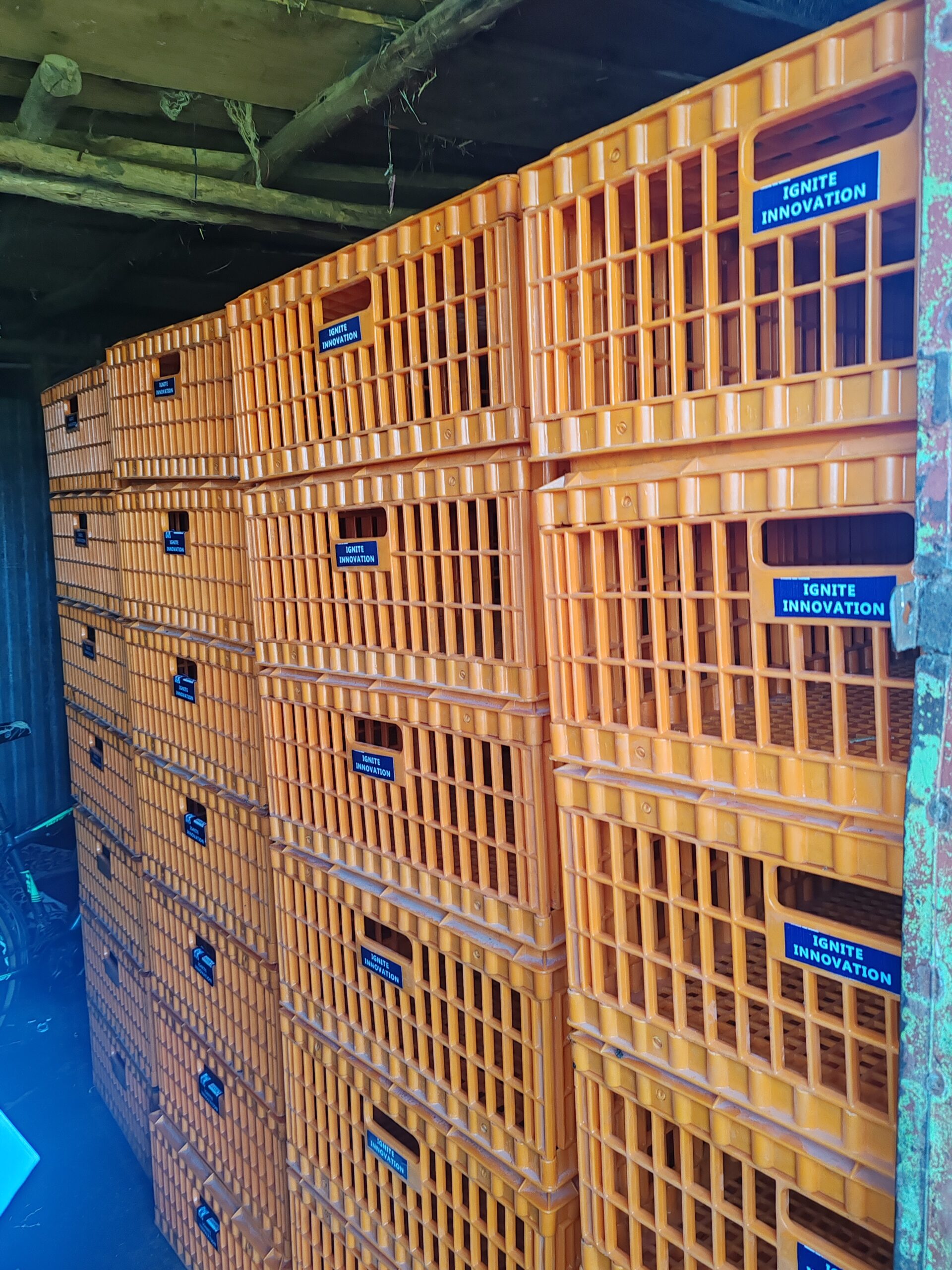
I lead one of the pillars called Enterprise Development at the IGNITE Hub in World Food Programme Eastern and Southern Africa Regional Office (WFP ESARO). As part of the world’s largest humanitarian organization, The IGNITE Hub plays a leading role in empowering enterprises addressing challenges along the food systems value chain in Sub Saharan Africa. Over the last five years, we have provided over USD3 Million in grant funding to more than 175 local enterprises across Eastern and Southern Africa, which has catalyzed on average 10x additional investments for these enterprises. Through this programme, we work with WFP Country Offices, relevant government ministries (agriculture, trade or health), International NGOs, private sector and academia to define the challenge we want to address. We bring all stakeholders together, review the gaps across the food systems value chain, map what each stakeholder is doing against existing government priorities, and agree on the most impactful gap that we can address. This work has proved to me that everyone has a role to play if we are to achieve zero hunger. Through collaboration, we reduce duplication of efforts, build on what’s existing and keep everyone focused on priority issues. One of the most memorable programmes is Ethiopia IGNITE 2.0 that we did in Somali and Tigray regions. Flying into Jigjiga, we saw a massive green patch of fodder, watermelon and maize in the predominantly arid region. That’s where we met Muktar Omer, Operations Manager at Dhaqan Farm which harnesses water from the Shebelle River to address shortages of pasture, cereals and fresh fruits across the Somali region. Through the IGNITE Challenge, Dhaqan quadrupled its production and created 21 new jobs. It’s one story among many and each of the over 100 enterprises we’ve supported has a similarly compelling one.
What challenges have you faced, and what guides your work?
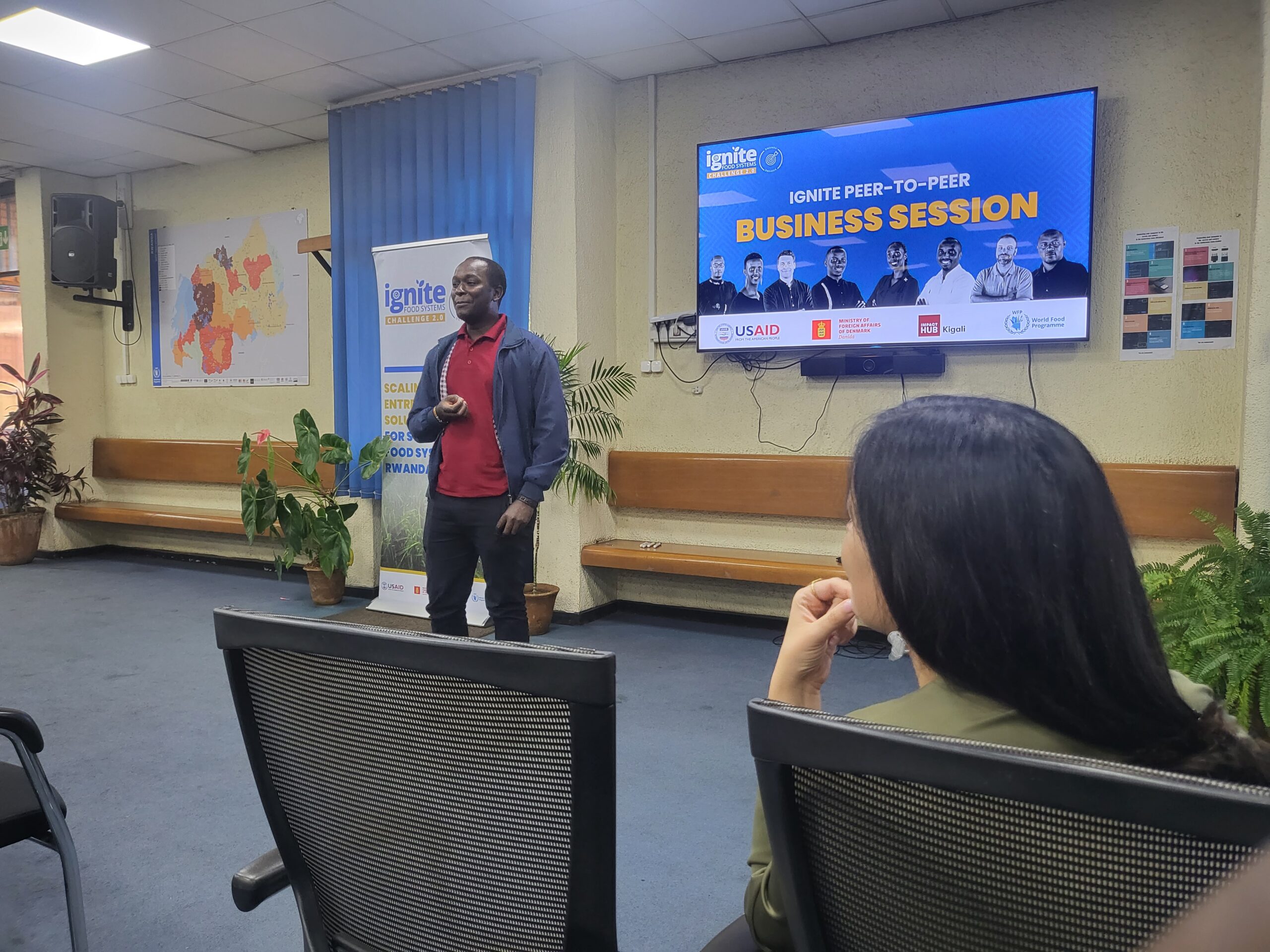
The biggest challenge in this space is that you’re selling a process, not a finished product, in the hope that your audience sees the bigger picture and joins you on the journey. Human-centered design takes stakeholders on a consultative journey from problem to solution. That journey is iterative-meaning you change course based on feedback until you find a solution that addresses the challenge. You rarely know what the result will be at the beginning. We’ve run these programmes enough times to prove that the approach and model works but since it’s not traditional, we still need to sell it when working in new WFP Country Offices. I often return to a Quora response I once read about what determines an engineer’s value to big tech companies. It compares two individuals selling water to a village. The first walks to the river each day bring back several buckets to sell, and the village pays for the water. The second person decides to dig a canal to redirect the river through the village. The second person works alone with limited resources and progress is slow. Every so often they return to the village, where people will give them food and essentials to keep going. Months or years later, they come back to the village with the river behind them and it will be the last time water becomes a challenge in the village. What inspires me from this story is that not everyone will understand what you’re working on at the beginning, but when you have a few people supporting you, that’s all you need.
Has anything changed how you approach the work today?
It’s cliché but the voice of users is the most important voice in the room when addressing local challenges. In every situation, you will find there are voices that are more powerful, confident and often undermine the voice of the actual people you’re designing for. While funders, academia, experts will always be louder, the person who’s most affected by decisions made is the person whose voice matters most. It is your role as a designer to ensure the voices of users are at the forefront throughout the design process. In most cases, the users will be beneficiaries who already have solutions that need tweaking designed to address these needs. Localization stresses the importance of empowering locally developed solutions by people whose lived experiences reflect the very challenges being addressed.
What would you tell someone new to this work?
At the end of the day, the impact is what matters. And how you define impact is improvement in the wellbeing of the users. Everywhere you look you will find opportunities to improve the wellbeing of users. If that remains your true north, everything else falls into place. Secondly, don’t be attached to solutions as you might end up with something half-baked that you found fascinating. We tend to have a bias where the more time and resources you invest in developing a solution, the harder it is to drop it and start again. But the sooner you drop something that’s not working, the earlier you start developing something that does.
Where do you find perspective outside of work?
I was not particularly sporty growing up, but I always loved the outdoors. As an adult, I have learned how important movement and time in nature is useful in unwinding after weeks of looking at screens and reading emails. Sports is now a great outlet. I play padel (recreationally, no competitions yet). I also hike and travel for leisure which I find useful for inspiration. Lastly, I am slowly going back to growing plants. I’m not proud that I’ve killed many of them, but I hope to take up farming in the future.